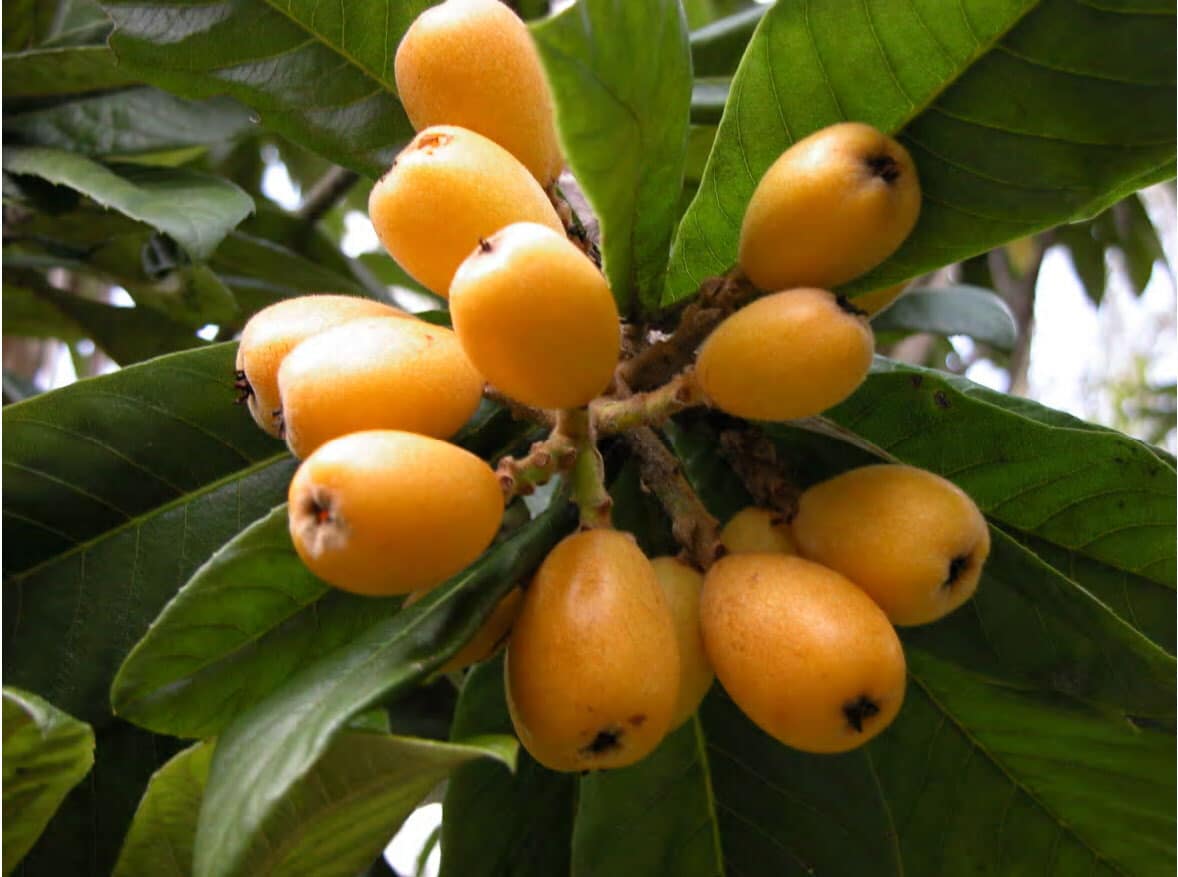
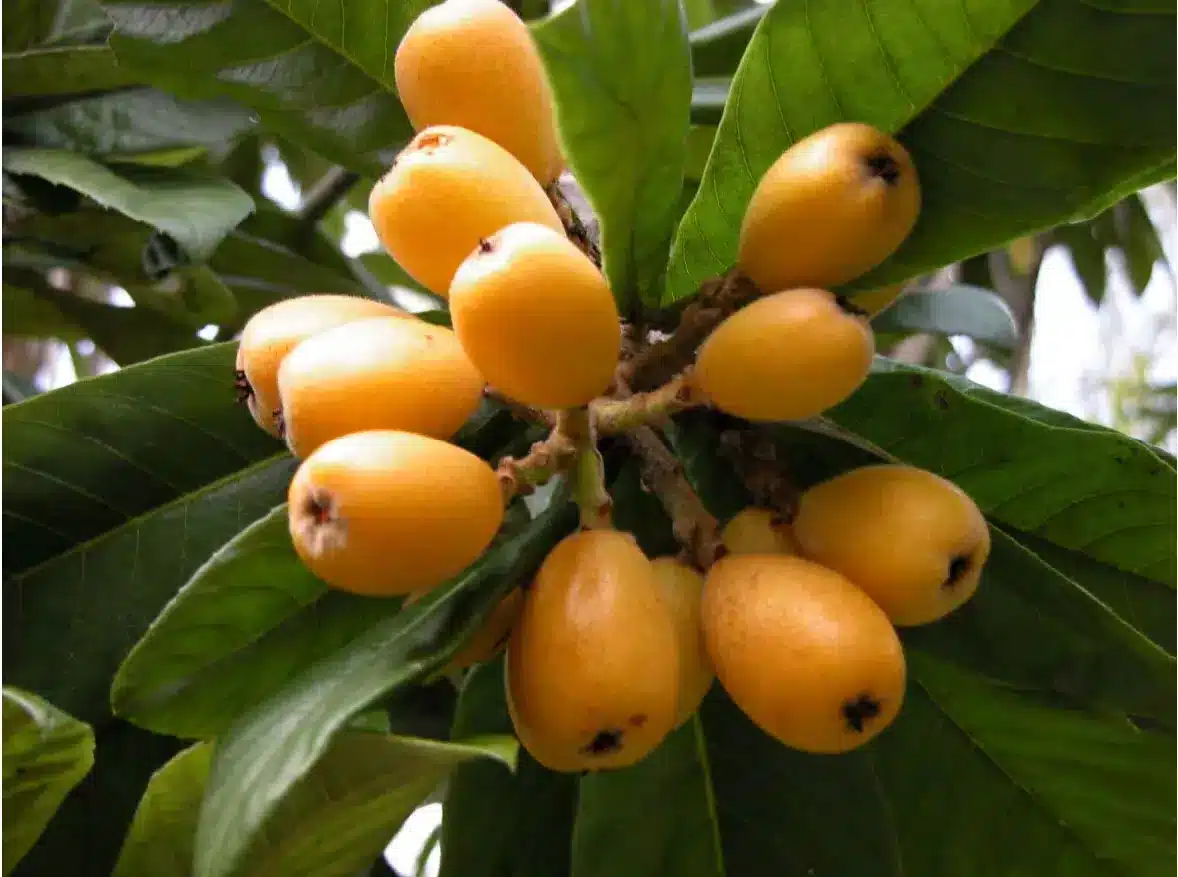
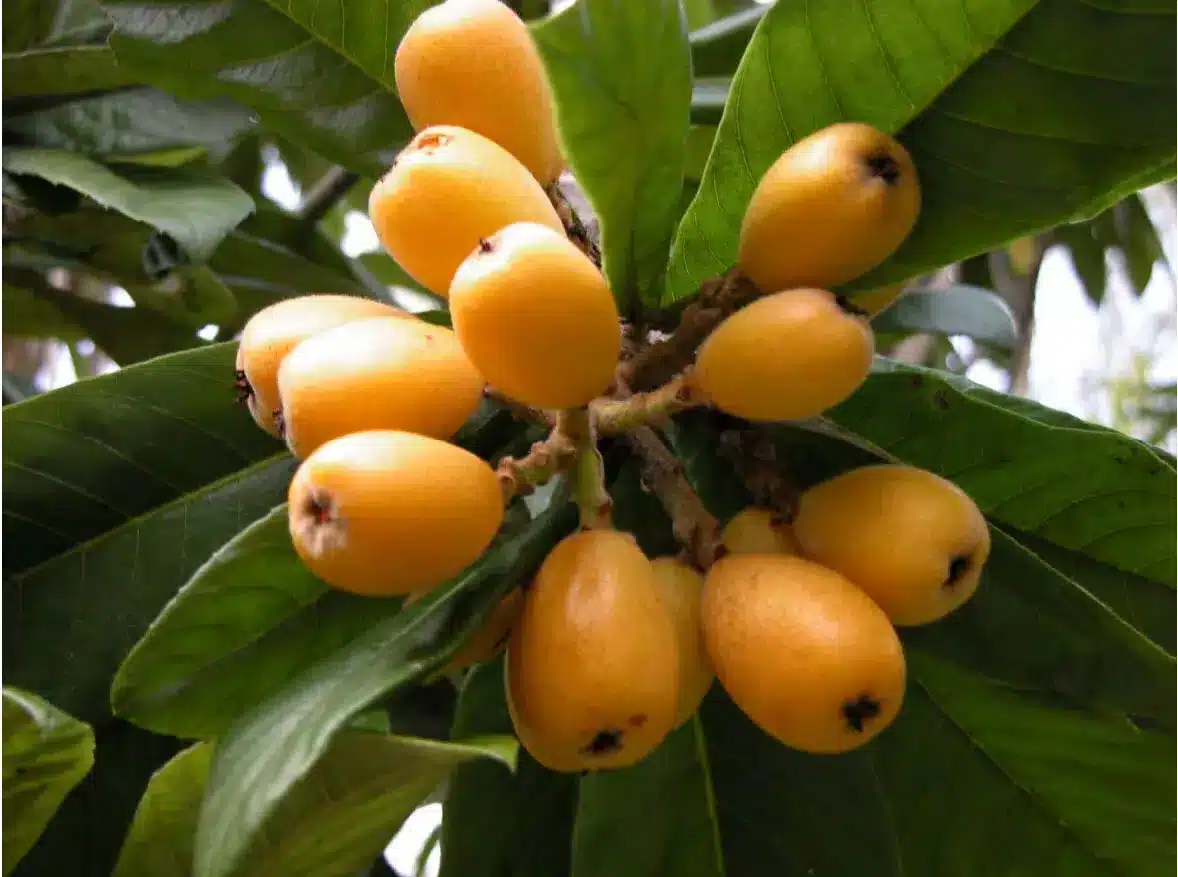
Description Big Jim Loquat is valued for its impressively large fruit and sweet flavor balanced by light acidity, making it especially enjoyable fresh. Originating in San Diego, it’s a widely grown cultivar that combines an easy-eating experience with strong productivity in suitable loquat climates. Within the loquat season, Big Jim is best thought of as a mid-season variety. In warm, mild-winter areas it can begin ripening in early to mid spring, while cooler coastal climates may push harvest later into spring. Flavor and texture peak when fruit is allowed to fully color and soften slightly—Big Jim rewards patience more than early picking. Like all loquats, the real variable in colder regions isn’t keeping the tree alive—it’s protecting blooms and developing fruit through late-winter and early-spring weather. If you’re growing on the edge of “ideal” loquat territory, microclimate, bloom protection, and a willingness to experiment can make the difference between an occasional crop and a recurring one. Overview Large-fruited loquat selected for fresh eating Sweet flavor with light acidity and a clean finish Mid-season within loquats (earlier in warm areas, later in cool coastal climates) Evergreen tree with glossy foliage and fragrant winter blooms Often fruits best with another loquat variety nearby Growing Details Latin Name: Eriobotrya japonica ’Big Jim’Site and Soil: 1/2 day to full day of sun; well-drained soilChill Requirement: Not applicable; loquat is a subtropical evergreenHardiness: USDA Zone 8–11 (flowers and fruit are more cold-sensitive than the tree)Rootstock: Loquat seedling (grafted)Bearing Age: 1–3 yearsSize at Maturity: Typically maintained at 8–15 ft tall and wide with pruningBloom Time: Fall to winter (timing varies by climate)Ripening Time: Mid-season for loquats; early to mid spring in warm areas, late spring in cooler coastal climates (varies by region)Pollination: Planting another loquat variety within 20–30 feet often improves fruit setPests & Diseases: Standard loquat considerations; good airflow and sanitation are importantYield: Strong producer in suitable climates; variable where winter weather disrupts bloom and fruit set Additional Notes Grower’s Insight: Big Jim traces back to San Diego and earned its reputation the straightforward way: large fruit, sweet flavor with a bright edge, and a fresh-eating experience that wins people over quickly. Regional Insight: Most reliable production comes in mild-winter regions (Zones 9–11). In freeze-edge climates (including parts of the Pacific Northwest), fruiting often depends on microclimate—south-facing walls, wind shelter, and protecting bloom during hard freezes. Cold-climate experiment: A peer-reviewed study found that removing (cutting off) the main flower cluster can induce reflowering and shift bloom later—an intriguing tool for growers trying to dodge cold events in some years. Read the study. For best size and flavor, allow fruit to fully color and soften slightly before harvest; thinning clusters can improve final fruit size. Explore more loquats in our collection: Loquat Trees