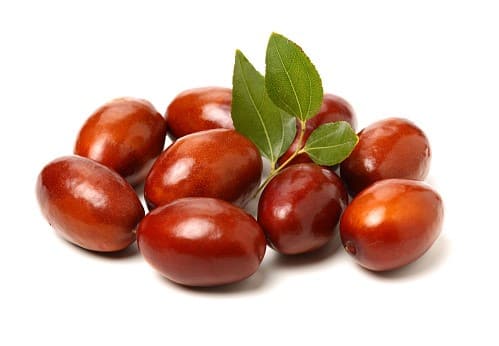
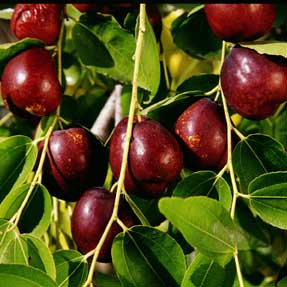
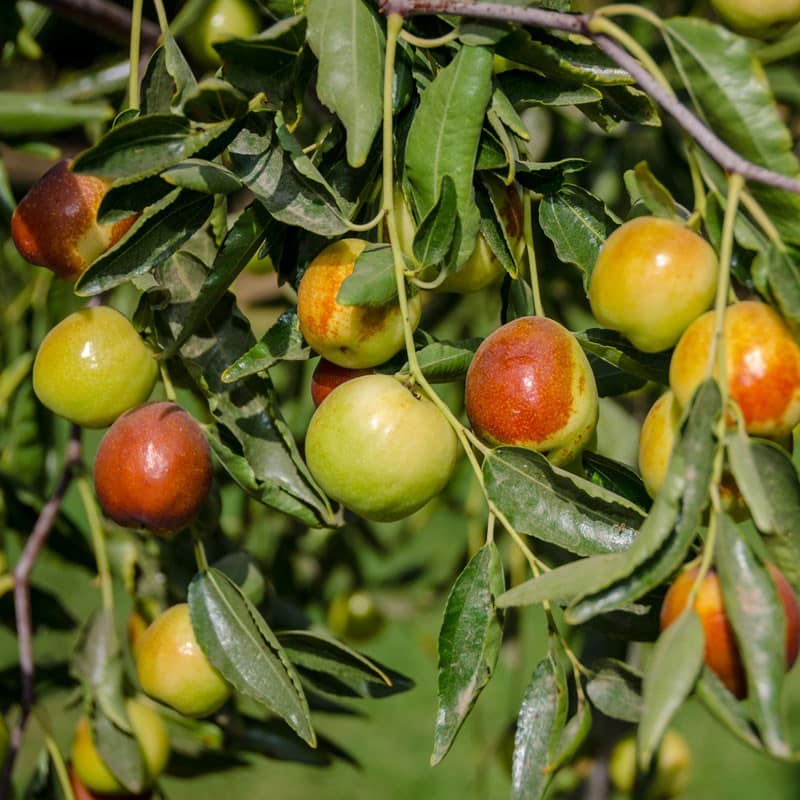
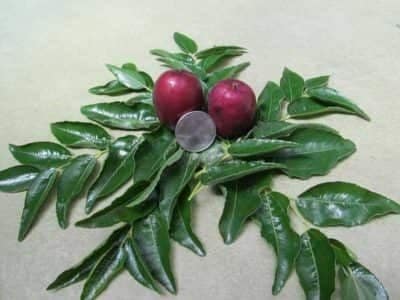
Description Sugar Cane jujube is known for its crisp bite and clean sweetness, often compared to a fresh apple with a hint of pear. Eaten straight off the tree, it delivers a refreshing crunch that catches many growers off guard—especially those expecting a dense, date-like fruit. Unlike jujubes grown primarily for drying, Sugar Cane is best enjoyed at the crisp stage. The fruit has thin skin, juicy flesh, and a mild sweetness that makes it easy to eat fresh, right in the orchard. It’s an approachable jujube that converts skeptics quickly. The tree itself is compact, resilient, and dependable. Sugar Cane performs well in heat, tolerates drought once established, and reliably produces with minimal intervention. It’s a strong choice for growers who want something productive, different, and genuinely enjoyable to eat fresh. Overview Primary use: Fresh eating at the crisp stage Texture: Crunchy, apple-like bite Sweetness: Mild to moderate; clean and refreshing Ripening window: Early to mid-season for jujubes Best fit: Home orchards seeking low-input, reliable fruit Growing Details Latin Name: Ziziphus jujuba ’Sugar Cane’Primary Use: Fresh eating; also suitable for dryingSite and Soil: 1/2 day to full day of sun; well-drained soilChill Requirement: Low chill; commonly reported around ~400 hoursHardiness: USDA Zone 5–10Rootstock: Grafted onto jujube rootstockBearing Age: Often fruits immediately; grafted trees may produce in their first seasonSize at Maturity: Typically maintained at 10–15 ft tall and wide with pruningBloom Time: Late spring to early summerRipening Time: Early to mid-season within the jujube harvest window; timing varies by regionPollination: Self-fertile; improved yield and fruit size with a compatible jujube planted within 20–30 feetPests & Diseases: Generally low pressure; routine orchard hygiene recommendedYield: Reliable producer once established Additional Notes Grower’s Insight: Sugar Cane stands out among jujubes because it shines as a fresh fruit. If allowed to overripen and dry on the tree, it loses the crisp texture that makes this variety special. Regional Insight: Sugar Cane performs reliably across much of the U. S., including regions with cooler summers, provided it receives good sun exposure. Heat helps, but light matters more than extreme temperatures. Handling note: Like many jujubes, young branches may carry spines. Light pruning and harvest timing make this easy to manage.