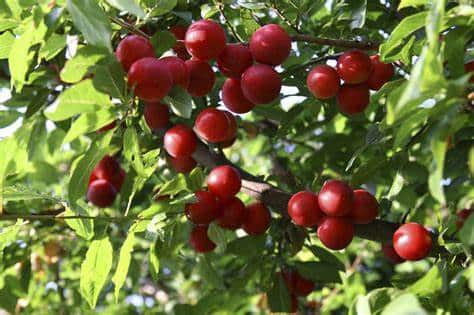
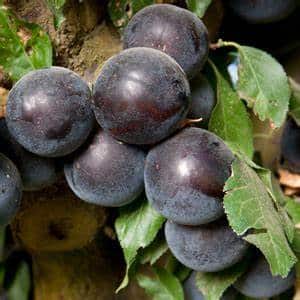
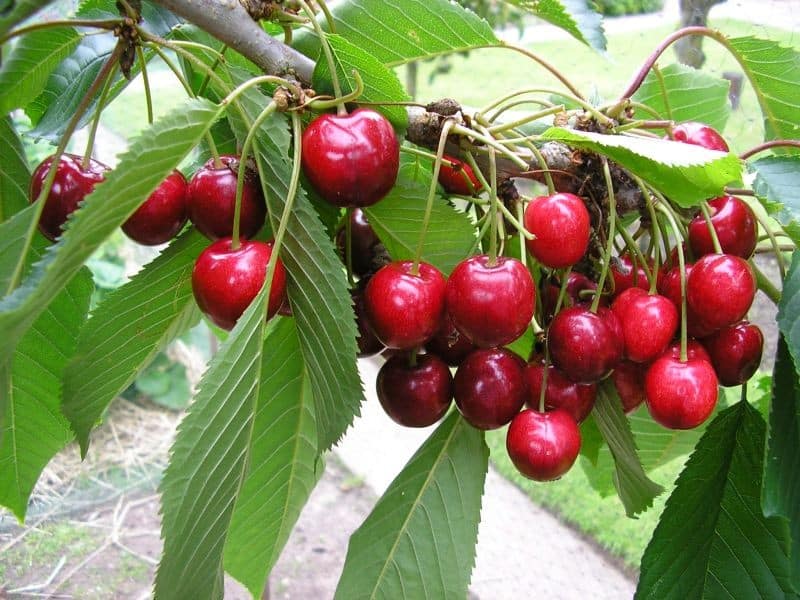
Description This 4-in-1 Combination European Plum tree gives you four of six exceptional plum varieties—Stanley, Yellow Egg, Brooks, Italian, Seneca, and Green Gage—on one compact, semi-dwarf tree. With overlapping bloom and staggered ripening, you’ll enjoy a long season of richly flavored, versatile European plums perfect for fresh eating, drying, canning, and baking. Overview Four European plum varieties on one tree — selected for flavor, productivity, and compatibility. Extended harvest window — late August into October, depending on climate. Semi-dwarf habit — easier to prune, net, and manage in home orchards. Self-fruitful — but cross-pollination between grafts boosts yields significantly. Excellent for fresh eating, drying, canning, and baking — diverse flavors and textures. Varieties Included Each tree will include four of the following six varieties. Exact combination varies by year. Stanley — classic European prune plum; sweet, rich flavor; excellent for drying and fresh eating. Yellow Egg — large yellow plum; sweet, firm, excellent for canning and cooking. Brooks — juicy, richly flavored blue plum; great for fresh eating and baking. Italian — famous for drying into prunes; sweet, dense flesh; outstanding for fresh eating or preserves. Seneca — large, high-quality late plum with exceptional flavor; reliable producer. Green Gage — intensely sweet, old-world dessert plum; superb fresh or for jam. Care & Growing Tips Plant in well-drained soil with 1/2 day to full day of sun. Water deeply during the first 2–3 years to establish strong roots. Prune annually to maintain balance between all grafted limbs. European plums generally bloom later than Japanese plums—excellent for avoiding spring frost damage. Thin fruit to improve size, sweetness, and prevent limb breakage. Growing Details Latin Name: Prunus domesticaSite and Soil: Well-drained soil; 1/2 day to full day of sunHardiness (Temp): -20°FBearing Age: 3–5 years after plantingRootstock: Krymsk 1 — Semi-dwarfSize at Maturity: 10–14 ftBloom Time: Mid-springRipening Time: Late August to October (varies by climate and region)Yield: Heavy croppingPests and Diseases: Generally dependable; monitor for aphids, plum moth, canker, and brown rotUSDA Zone: 5–9 Additional Notes Graft vigor varies by variety—annual pruning keeps the tree balanced. Green Gage and Italian are typically the sweetest; Yellow Egg is ideal for canning. Ripening sequence can shift slightly depending on heat units and local climate.